
Technical SEO for SaaS means fast pages, clean routes, and crawl control. Your app sits behind auth; your marketing site must rank. We tune both so bots can crawl, index, and serve the right pages, including website indexing issues SEO
Common SaaS tech issues
- App and marketing share scripts that block rendering or swell bundles
- Client-side routing hides content and links from bots
- Gated routes return the wrong status codes
- Duplicate URLs from parameters, filters, and help centers
- Mixed canonical rules across locales and staging, which is canonicalization issues SEO services
- Thin sitemap files or feeds that miss key templates
- Weak log data, so crawl budget work is guesswork without crawl budget optimization services
What we fix
- Status codes, redirects, canonicals, pagination
- Crawl paths for logged-out vs logged-in states
- Sitemaps split by template cluster and locale
- Server-side or hybrid render where discovery needs it
- Core Web Vitals budgets and alerts
- Log sampling and crawl budget plan for high-value pages
CWV for app vs marketing site
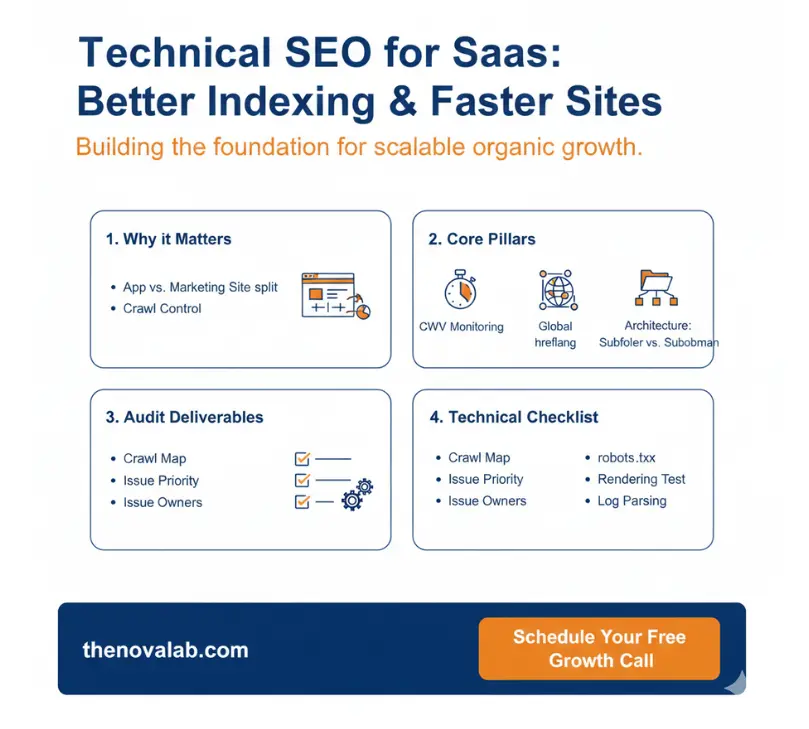
Core Web Vitals has two tracks in SaaS. The app must feel snappy for users; the public site must pass field data. That is the job of core web vitals optimization services.
- Split monitoring: one profile for app, one for marketing
- LCP: serve hero media early, preload fonts, size images
- CLS: set fixed dimensions and avoid late layout shifts
- INP: trim long tasks and third-party scripts
- Route-level budgets in CI to block regressions
- Track CrUX and RUM to confirm gains
Architecture (subfolder vs subdomain)
Where to host docs, blog, help, and status
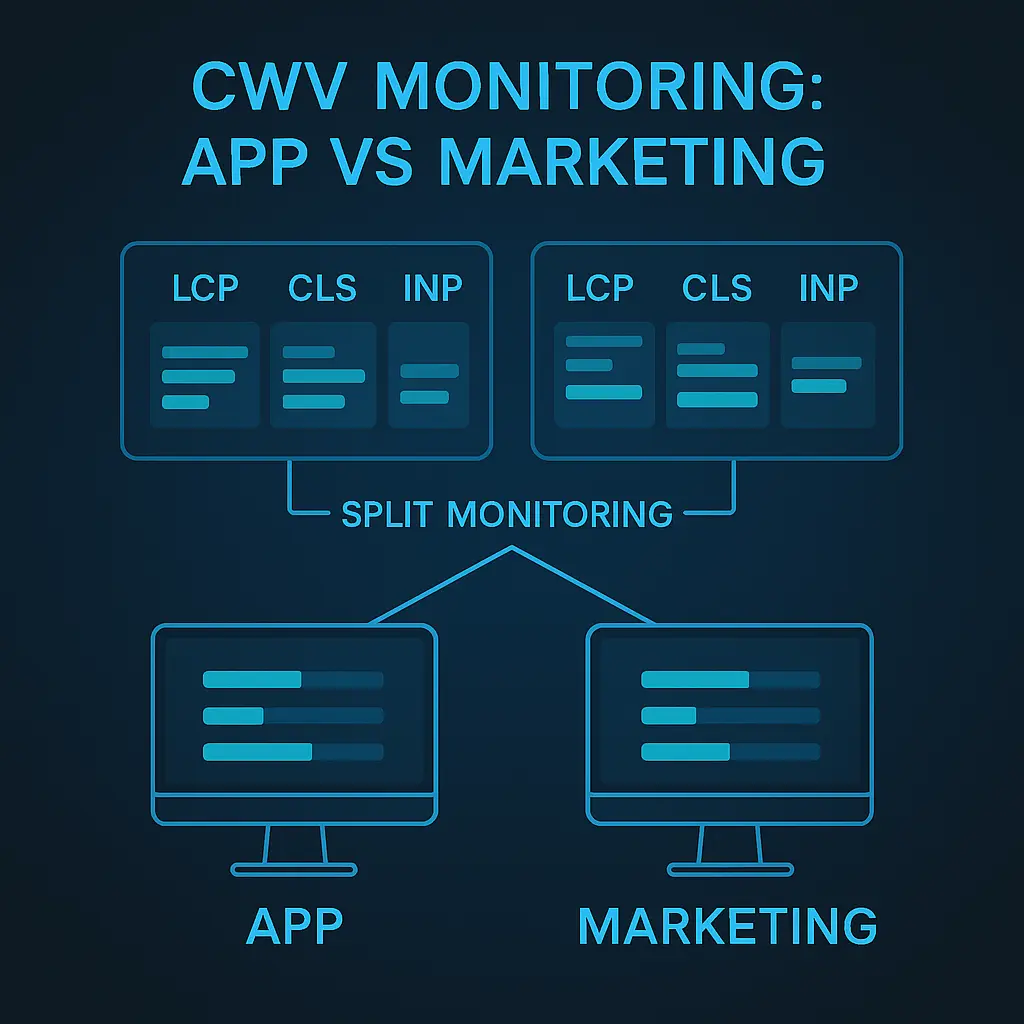
- Keep marketing content on subfolders when your platform allows
- Use subdomains for status, auth, or regional apps that must stand apart
- If a vendor forces a subdomain for docs, strengthen internal links and feeds
- Keep one language per URL; avoid mixed renders
- Keep crawl depth shallow with hubs that link into all key templates
International / hreflang
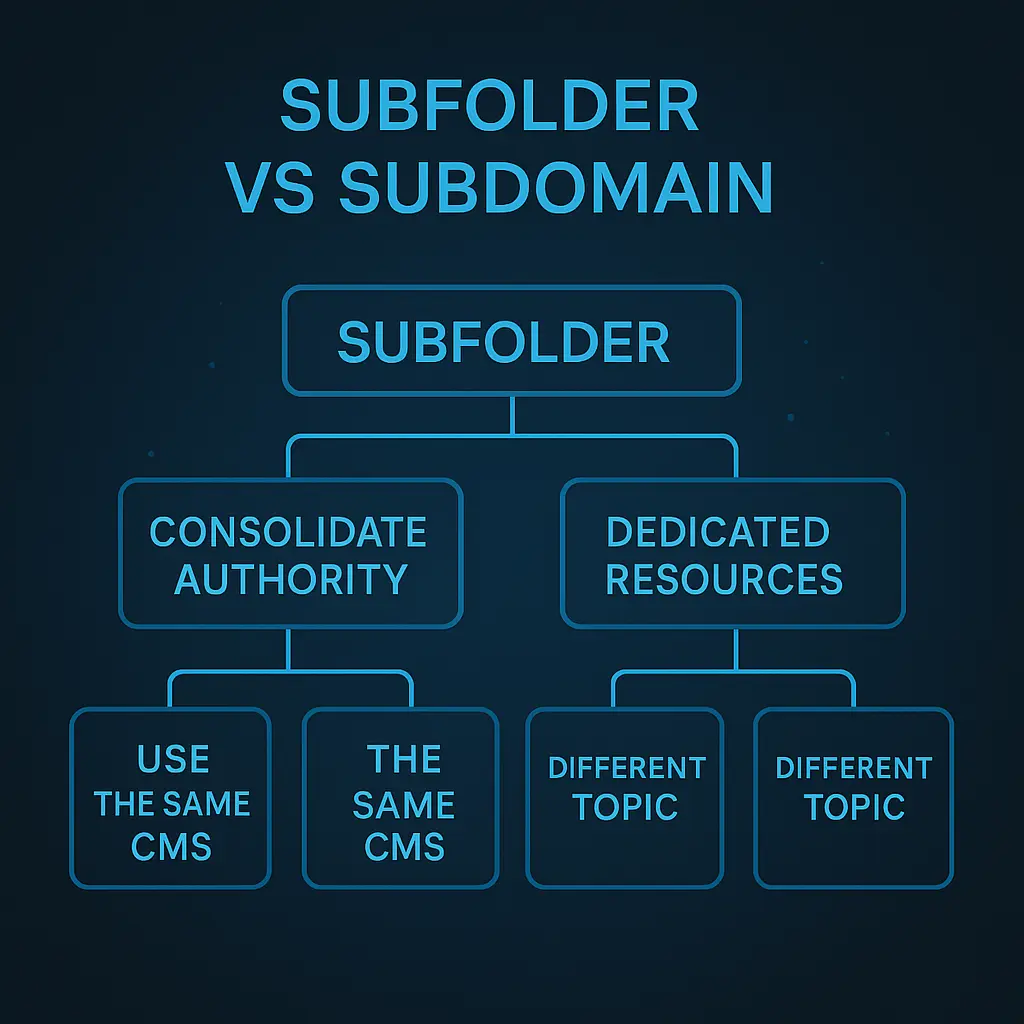
Global sites ship many variants that look alike. That risks duplication and crawl waste. Fix it with hreflang implementation service.
- Pick a default country/language rule and stick to it
- Generate full hreflang sets with self-references
- Align canonicals with language targets
- Localize metadata and structured data, not only body copy
- Ensure sitemaps carry complete hreflang clusters
- Keep pricing and content consistent to avoid cloaking
Audit deliverables
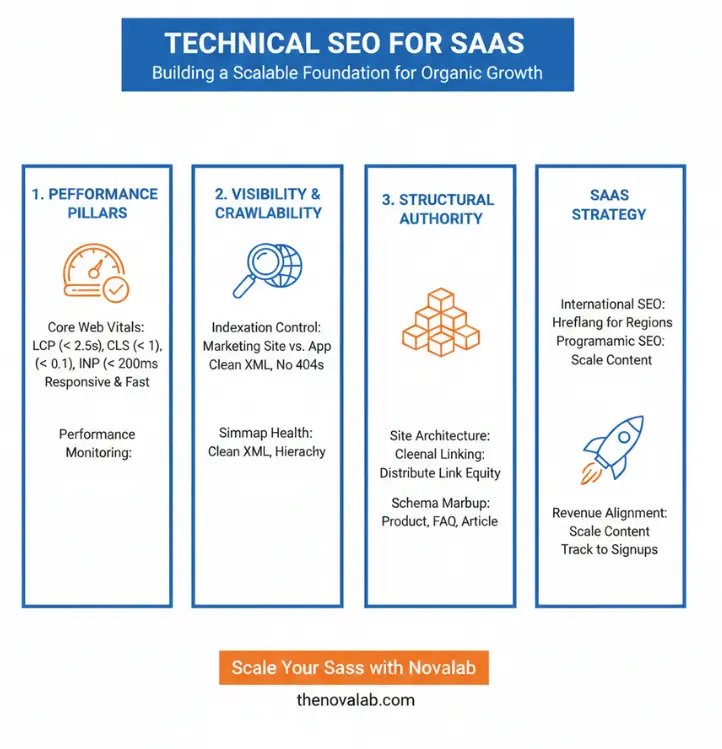
What you get from a technical audit, aligned with SaaS SEO audit checklist the 120 point guide
- Crawl map, index status, and gaps
- Issue priority by impact and effort
- CWV report for app and marketing with route-level budgets
- Architecture plan for subfolder vs subdomain trade-offs
- International and hreflang plan
- Log sample review and crawl budget plan
- Tracking plan for ongoing checks and alerts
- 90-day roadmap with owners
Audit checklist
- Access to environments confirmed
- robots.txt and sitemaps reviewed
- Canonicals, redirects, and status codes mapped
- Rendering tested for core templates
- LCP, CLS, INP budgets set and enforced
- Third-party scripts audited
- hreflang clusters validated
- Structured data tested on key templates
- Log files sampled and parsed
- Monitoring and alerts configured
FAQs
What makes technical SEO for SaaS different?
-Apps gate content and rely on client-side routes. Marketing sites and docs need clear crawl paths, stable metadata, and speed. Our work sets rules so both sides grow without conflict.
How do you handle crawl budget for SaaS?
-We read logs, find wasted hits on app routes, and direct bots to pricing, features, docs, and comparisons. Sitemaps, rate limits, and internal links keep crawlers focused.
Do you change our stack?
-Only when gains need it. Most wins come from routing, caching, assets, and metadata. If server rendering helps discovery, we propose the smallest change that moves the needle.
Can you work with our engineers?
-Yes. We write tickets, pair with owners, and add checks in CI so fixes stick.
Do you support product-led and sales-led funnels?
-Yes. We map routes for features, templates, comparisons, and partner connections, then connect them to trials and demos.