
AI SEO Software: What It Is, How It Works, and Whether It’s Worth It in 2026
Search engine optimization used to mean spreadsheets, manual audits, and hours of keyword research done by hand. AI SEO software has changed that equation. Today, tools powered by machine learning can analyze thousands of pages, surface ranking opportunities, and generate optimization recommendations in minutes. If you run a SaaS company and organic search is part of your pipeline strategy, understanding what these tools actually do – and where they fall short – is worth your time.
What AI SEO Software Actually Does
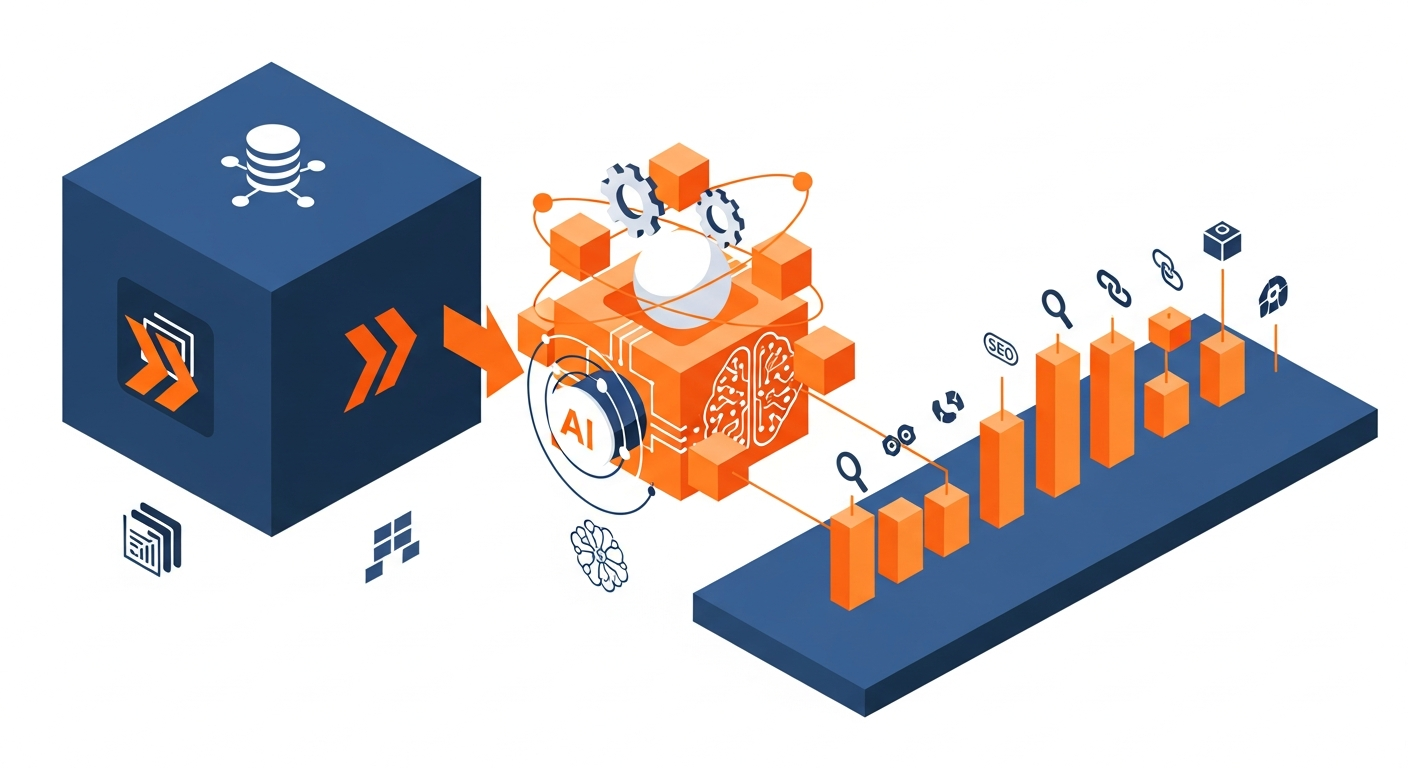
At its core, AI SEO software applies machine learning models to tasks that traditionally required manual effort. These tools ingest data from your website, from search engine results pages, and from competitor domains. They then surface patterns, flag problems, and suggest actions ranked by expected impact.

The most common capabilities fall into a few categories. Content optimization tools scan your pages and compare them against top-ranking results for a given keyword. They identify missing topics, weak semantic coverage, and structural issues that may be suppressing your rankings. Technical audit tools crawl your site at scale and flag errors like broken internal links, slow page speed, or missing schema markup. That includes technical SEO for SaaS and schema markup for AI search. Keyword research modules use predictive models to estimate search intent, difficulty, and conversion potential – going well beyond simple monthly search volume. That is keyword research services.
Some platforms also offer AI-assisted content generation. This is where the market gets crowded and the quality varies significantly. Generating a first draft is not the same as producing content that builds topical authority and earns backlinks. The best AI SEO tools treat generation as a starting point, not a finished product. See AI SEO services.
Why SaaS Teams Are Adopting These Tools Now
SaaS companies face a specific set of SEO challenges. Your ideal customer profile is often narrow. Your product category may be new, meaning search demand is still forming. Your sales cycle involves trials and demos, so the traffic you attract needs to be highly qualified, not just high volume. Generic content farms and low-intent rankings do not move MRR.
AI SEO software helps SaaS teams work smarter within these constraints. Instead of writing content about every possible long-tail variation, you can use intent clustering to identify which topics actually align with your buyer’s journey. Instead of running a manual competitor gap analysis every quarter, automated tools surface new opportunities in real time. This matters when your CAC is high and every organic demo request has measurable value.
Teams also use these platforms to protect existing rankings. Monitoring tools alert you when a top-performing page starts to lose position, giving you time to refresh content before traffic – and pipeline – drops. Churn in organic rankings is just as damaging as churn in your subscriber base, and both require early detection.
How to Evaluate AI SEO Tools Without Getting Burned
The AI SEO software category is flooded with products making bold promises. Many are built on top of the same underlying data sources with thin AI layers applied on top. Before committing to a platform, ask these questions.
- Does it integrate with Google Search Console and your CMS, or does it require manual data exports?
- How transparent is the recommendation logic? Can you see why the tool is flagging a specific issue?
- Does it support content workflows, or is it purely a reporting dashboard?
- Is it built for teams, with role-based access and collaboration features, or is it a solo tool at enterprise pricing?
- What does the onboarding and support experience look like for a SaaS company with limited internal SEO headcount?
The tools that deliver the most value are the ones your team will actually use. A sophisticated platform with a poor user experience will sit unused and contribute nothing to your ARR. Prioritize usability alongside capability when you evaluate options.
Where AI SEO Software Falls Short
No software replaces strategic thinking. AI tools are very good at pattern recognition across large datasets. They are not good at understanding your specific market positioning, your customer’s language, or the nuanced editorial standards that make content genuinely authoritative. They will not tell you that your product category needs a new narrative, or that your competitor just published a report that will reshape the keyword landscape in your niche.
The teams that see the best results treat AI SEO software as infrastructure, not strategy. The software handles scale, speed, and data processing. The strategist handles judgment, brand voice, and prioritization. When that division of labor is in place, the output is significantly better than either could produce alone.
Frequently Asked Questions About AI SEO Software
Is AI SEO software suitable for early-stage SaaS companies?
Yes, but with caveats. If you have fewer than twenty pages indexed and no established domain authority, the data inputs these tools rely on are thin. You will get more value from foundational content strategy work first. Once you have a base of published content and some Search Console history, AI SEO tools start returning meaningful recommendations that can accelerate your organic growth.
Can AI SEO software replace an SEO agency or consultant?
It can replace some of the work, but not the strategic layer. Agencies and consultants bring market context, cross-client pattern recognition, and editorial judgment that software cannot replicate. That is the role of an AI SEO agency. The practical model for most SaaS teams is to use AI SEO software to handle reporting, auditing, and content briefs, while working with an experienced partner to set the direction and make the high-stakes calls.
How long does it take to see results from AI SEO software?
The software itself can surface insights immediately. Ranking changes are a different story. For competitive keywords, expect a three-to-six month window before optimization work is reflected in your organic traffic and pipeline metrics. Technical fixes tend to show impact faster than content changes. Setting realistic timelines internally protects the program from being shut down before it has had time to compound.
Ready to Build an SEO Program That Drives Real Pipeline?
Novalab works with SaaS teams to build organic search programs that connect to revenue, not just rankings. See SaaS SEO agency. We combine AI-powered tooling with hands-on strategy to help you attract the right buyers, reduce your reliance on paid CAC, and grow ARR through content that earns authority over time. If you want to see what that looks like in practice, get in touch with our team and let’s map out what’s possible for your domain.
Learn more about Saas Content Marketing and how it applies to your SaaS growth strategy.