




Onboarding done in 24 hours
Kick-off, access, tracking and the first audit completed within 24 hours, so your low-code platform starts winning search on day one.
See the 24h onboarding →
Low-code is one of the most competitive corners of SaaS, and you are fighting established players with eight-figure marketing budgets while still educating a market that is figuring out what low-code means. Paid acquisition costs keep climbing, and CAC is under pressure. If your site is not visible when operations leads and CTOs search for a platform, a competitor wins the trial.
Novalab builds organic pipeline for low-code platforms through a tiered keyword strategy, topic clusters and a technically clean site. Most low-code companies treat SEO as a side project, a blog posted to occasionally and a homepage optimized once. We run it as a compounding channel, working as a dedicated SaaS SEO agency that ties rankings to trials, demo requests and MRR.
Kick-off, access, tracking and the first audit completed within 24 hours, so your low-code platform starts winning search on day one.
See the 24h onboarding →We target job-to-be-done searches like "build customer portal without code" and "automate approval workflows." Searchers already know what they need, so intent is high.
See the approach →We capture buyers searching for alternatives to competing platforms or planning a migration. These readers are mid buying cycle and convert into trials and demos at a lower CAC.
See how →Low-code terminology is unstable. Some buyers search “low-code,” others search “no-code,” and a large segment searches for the outcome they want. Your keyword architecture has to map all three layers at once, including adjacent demand like SEO for no-code app builder SaaS.
Your buyer is also fragmented. A head of operations, a product manager, a CTO and a business analyst each use different language, read different content and respond to different calls to action. Single-persona SEO leaves traffic on the table.
Search intent is often informational before it is transactional. People are building an internal business case or comparing categories long before they book a demo, so content has to serve the whole journey, not only the bottom of the funnel.
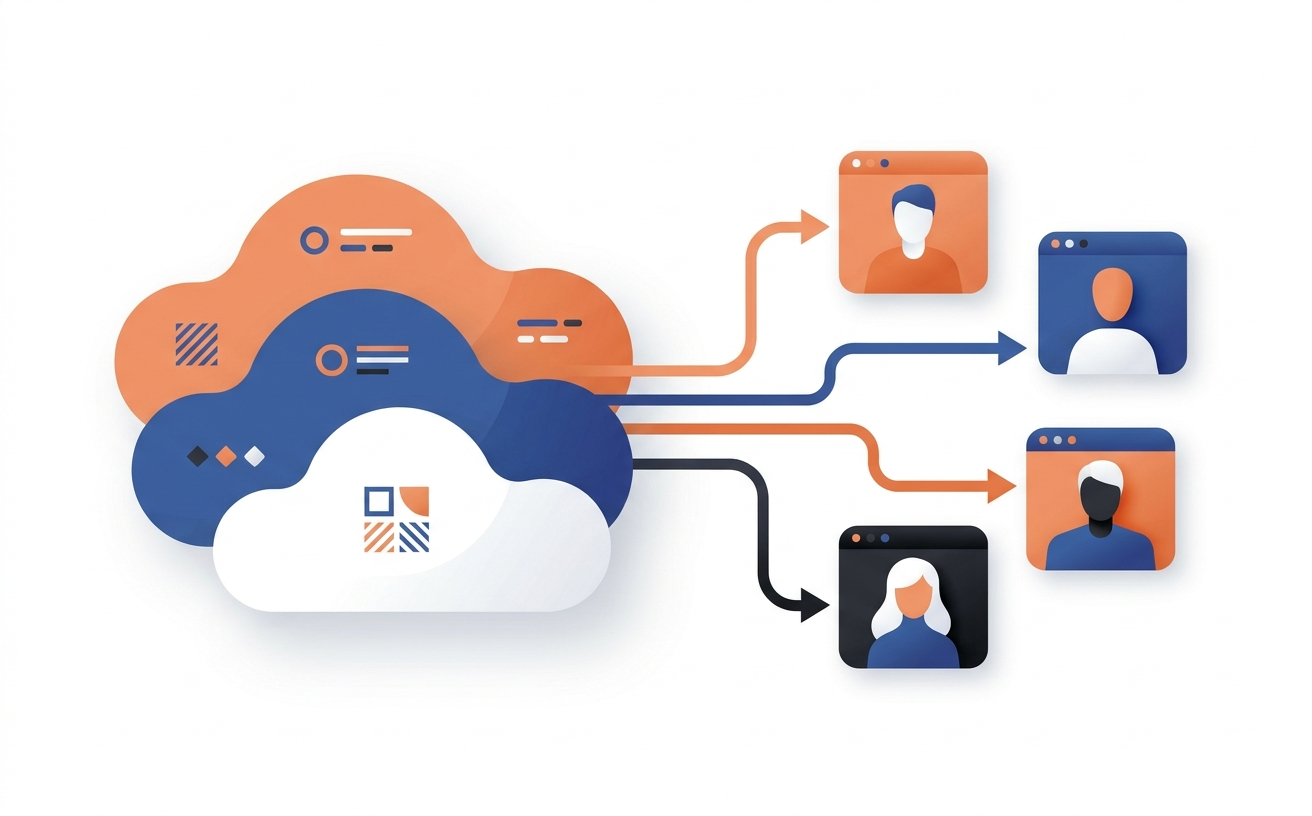
Effective SEO needs a tiered keyword architecture that matches intent to funnel stage, built with keyword research services. Tier one covers category and comparison terms such as “best low-code platform.” Tier two covers use case terms. Tier three covers alternative and migration terms.
Tier two and tier three should drive most content in the first twelve months. They bring qualified traffic faster, move demo volume sooner and build the topical authority needed to compete for tier one terms later.
Random blogging does not move ARR, topic clusters do. We build a pillar page around a topic like low-code application development, supported by industry use cases, competitor comparisons, tutorials and glossary content, each with a clear path to a trial or demo.

Tracking rankings is not enough. Success should be measured against what your leadership cares about: trial signups, demo requests, activated accounts and MRR from organic-sourced leads. We set up UTM parameters on organic landing pages and connect Google Search Console data to your CRM so organic pipeline sits next to total pipeline.
Technical health protects those numbers. Your marketing site, docs, changelog and community all compete for crawl budget, so clean sitemaps, canonical tags and structured data matter. Our on-site SEO for SaaS guide covers the fundamentals. Page speed also affects trial completion, so fast Core Web Vitals support activation as well as rankings.
We also review the quality of organic signups, not just volume. Content that attracts the wrong-fit audience produces trials that never convert and customers who churn, so we use that data to refine keyword targeting and positioning over time.
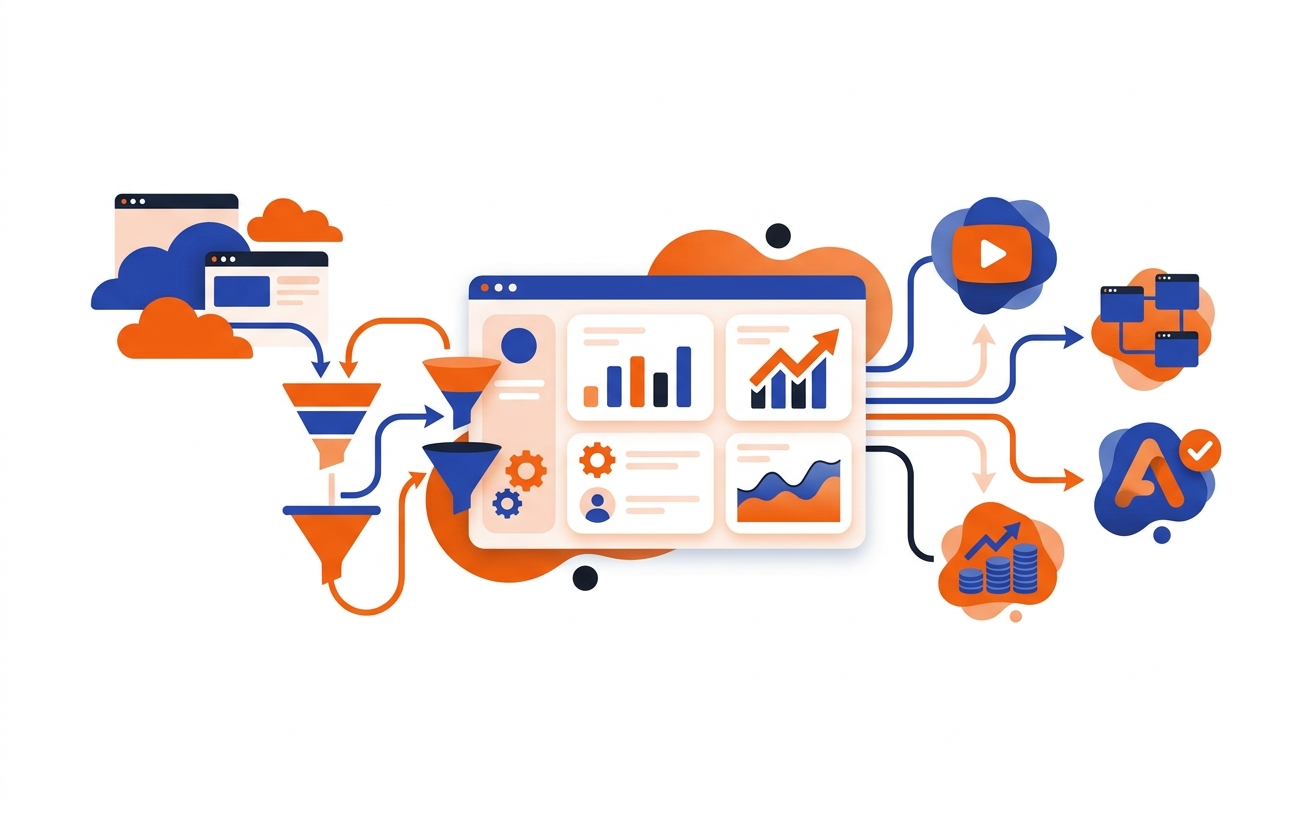
Every engagement covers the work a low-code SaaS needs to turn organic search into pipeline.
Crawl and indexation control across your marketing site, docs and community, fast Core Web Vitals on key landing pages, clean sitemaps, canonical tags, hreflang where needed and software application schema.
A tiered keyword map across category, use case and alternative terms, covering low-code, no-code and outcome language for each buyer persona.
Pillar pages and supporting cluster content: use cases by industry, competitor comparisons, tutorials and glossary pieces, each linked to a trial or demo path.
Topical authority built through internal linking, link acquisition and consistent coverage of your core low-code topics.
Every deliverable is tied to trials, demo requests and CAC so you can show organic pipeline to your board.
The fastest onboarding on Earth. Your SEO program starts the day after you sign.
Goals, personas, competitors and priority pages.
Search Console, analytics, CMS and rank tracking connected.
Top technical and content fixes, ranked by pipeline impact.
Your first sprint starts on the pages closest to revenue.
| Novalab | Generalist agency | In-house hire | |
|---|---|---|---|
| Time to start | 24 hours | 2–4 weeks | 2–3 months to hire |
| Keywords mapped to low-code buyer personas | ✓ | ✕ | Depends on hire |
| Technical, content and links in one team | ✓ | ✓ | ✕ |
| Google + AI search (GEO / AEO) | ✓ | Sometimes | Sometimes |
| Reporting tied to pipeline and MRR | ✓ | ✕ | Depends on hire |

Leads Novalab's SaaS SEO programs, from keyword strategy to pipeline reporting.
Can't find your answer? Ask us on a free strategy call.
Book a strategy callYou should expect measurable organic traffic growth within three to six months for use case and alternative keywords. Competing for high-volume category terms typically takes twelve to eighteen months of consistent investment. SEO compounds, so results accelerate over time. SEO consulting for SaaS can help you set milestones against those ranges.
Start with use case terms like “automate approval workflows” and alternative terms like “OutSystems alternatives for startups.” They have lower competition and clear buying intent. Category terms like “best low-code platform” come later, once your topical authority is built.
Both, plus outcome searches. Buyers use the terms interchangeably, and many search for the result they want, such as building internal tools without developers. Your keyword map should cover all three layers so you are found whichever way a persona searches.
If paid costs keep rising and organic is an afterthought, it is time to change the mix. We will map the low-code, no-code and use case searches your buyers run and show where pipeline is being missed. Contact our team to book a strategy call.