
SEO is Dead: The Truth Behind the Myth and What Actually Works in 2025
Every few months, someone declares “SEO is dead.” Blog posts pop up. LinkedIn experts share their hot takes. Marketing conferences buzz with debates. Yet somehow, organic search still drives billions of website visits each month. If SEO is dead, why do companies still hire experts, create content, and try to reach page one?
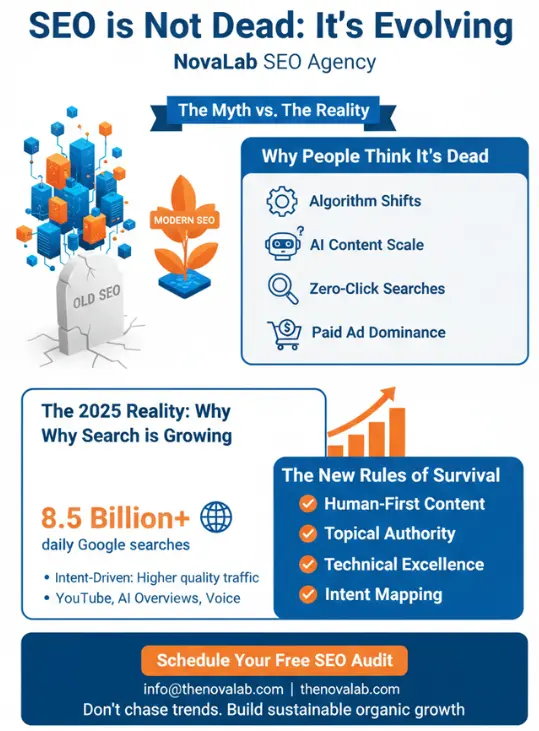
The truth is simple. SEO is not dead. It has changed, and it will keep changing. The tactics from 2015 do not work today. The shortcuts and tricks are gone. What remains is a method that gives real value, meets user needs, and earns attention through quality work.
At Novalab SEO Agency, we see this every day. Our clients come to us worried that organic search is fading. They read posts saying SEO is dead and wonder if they should stop their content strategy. Then we show them the data. Traffic trends. Conversion patterns. Revenue influenced by organic channels. The picture becomes clear: search is evolving, not dying. Businesses that want a sustainable approach can work with an organic SEO agency to build visibility around long-term fundamentals.
Why People Say SEO is Dead
The phrase “SEO is dead” is not new. It appeared when Google launched Panda in 2011. It came back with mobile-first indexing. It resurfaced when featured snippets changed click-through rates. Now, with AI Overviews and conversational search, the debate is louder than ever.

Google releases multiple updates each year. Some are small tweaks. Others reshape entire niches overnight. Sites that ranked well on Monday can disappear by Friday. This unpredictability makes people nervous. If your strategy can break with one update, is it worth the effort?
The answer is yes, but only if you build on solid ground. Tricks break. Quality endures.
AI Tools Generate Content at Scale
ChatGPT and similar tools can produce articles in seconds. Some marketers see this and think human-written content is obsolete. Others publish large volumes of AI-generated pages, hoping to rank higher. This shift does not kill SEO. It raises the standard for useful, original, and well-structured content.
Click-Through Rates Dropped on Certain Queries
Sometimes, Google gives answers directly on the search page. Users get what they need without clicking through. For some queries, this can reduce organic traffic significantly.
But not all searches work this way. Transactional queries, comparison research, and deep exploratory searches still drive clicks. The challenge is understanding which queries deliver business value and targeting those strategically. Keyword research services help separate useful search demand from keywords that generate impressions without meaningful outcomes.
Paid Ads Dominate the Top of the Page
Search results pages now show multiple ads before organic listings. This makes it harder to earn attention without paying for every click. Yet paid and organic serve different purposes. Ads work for immediate exposure. SEO builds long-term equity. Both can belong in a healthy marketing mix.
Social Platforms Compete for Attention
TikTok, Instagram, and YouTube pull attention away from traditional search. Younger audiences especially turn to social platforms for product discovery and recommendations. This behavior shift leads some people to believe search engines are becoming irrelevant.
Search is not dying. It is expanding. People search on YouTube. They search on Amazon. They use voice assistants and AI systems. Optimizing for discovery across multiple surfaces is the new frontier, not the end of SEO.
Why SEO is Not Dead: It Just Evolved
Saying SEO is dead misses a key point: organic search still attracts visitors who are actively looking for solutions. They have intent. They are engaged. That makes search traffic fundamentally different from passive impressions.
Search Behavior Shifted, Not Vanished
People still search. They just do it differently. Voice queries are longer and more conversational. Mobile searches happen in the moment. Users expect fast, relevant answers. Search intent has become more specific and nuanced.
Modern SEO accounts for these changes. It focuses on real questions, user needs, and delivering the right information at the right stage.
Google’s Mission Stayed the Same
Search engines want to connect users with useful and reliable information. What changes are the systems used to understand quality, relevance, authority, and usability.
Quality Beats Volume Every Time
Publishing large numbers of average pages is not a sustainable strategy. One well-researched and useful resource can outperform a collection of shallow pages. An SEO content agency can help businesses build content around genuine search intent rather than publishing volume.
Technical Foundations Still Matter
Fast load times, mobile responsiveness, clean architecture, and proper indexation remain essential. Without solid technical health, even strong content can struggle to perform.
Technical SEO services for website performance help identify and resolve the infrastructure problems that can limit visibility across an entire site.
Authority Takes Time, but It Compounds
Building authority used to be treated mainly as collecting backlinks. Modern authority also involves trusted mentions, useful resources, brand recognition, and relevant external references. This takes time, but established authority can support rankings across multiple topics.
What Actually Changed in SEO
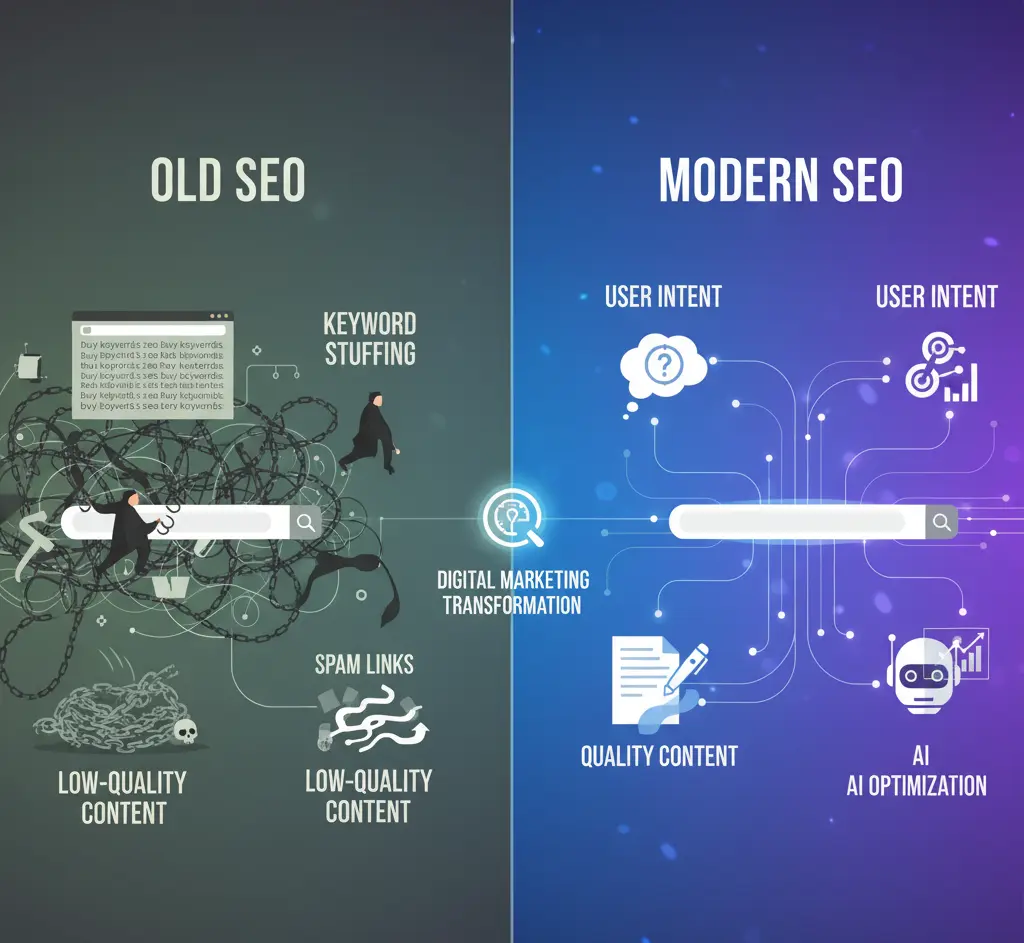
Content Quality Standards Rose
Thin content created only to target keywords has become less effective. Businesses need pages that demonstrate useful knowledge, clear explanations, original experience, and strong alignment with search intent.
User Experience Became More Important
SEO increasingly overlaps with design, navigation, readability, page speed, accessibility, and conversion experience. Search visibility is less useful when users cannot comfortably use the page after they arrive.
E-E-A-T Became More Important
Experience, expertise, authoritativeness, and trustworthiness help businesses demonstrate why their information deserves attention. Author information, credible sources, real examples, and transparent company information strengthen these signals.
Structured Data Created New Opportunities
Schema markup helps search engines understand the meaning and structure of content. Correct implementation can support enhanced search appearances for eligible page types.
Local and Personalized Results Grew
Search results can vary according to location, device, language, and context. One universal ranking position no longer represents every user’s experience.
Core Web Vitals Became Part of Website Quality
Loading performance, responsiveness, and visual stability influence user experience. Businesses with performance problems can use Core Web Vitals optimization services to strengthen important templates and landing pages.
The New Rules of SEO in 2025
Build Content for Humans First, Search Engines Second
Write clearly. Answer questions directly. Provide value. Keyword stuffing, awkward phrasing, and over-optimization hurt readability and rarely create a durable advantage.
Focus on Search Intent, Not Just Keywords
Understanding why someone searches matters as much as the words they type. Informational searches need useful explanations. Commercial searches need evaluation content. Transactional searches need clear product or service pages.
Prioritize Topical Authority Over Scattered Coverage
Covering related topics in depth creates a clearer relationship between your website and the subjects that matter to your customers. Internal links should connect those resources logically.
Earn Links Through Value, Not Outreach Volume
Backlinks still matter, but relevance and quality matter more than raw quantity. Original research, detailed guides, useful tools, and strong resources can give other websites genuine reasons to reference your content.
Guest posting services can also support authority when placements are relevant, editorially appropriate, and useful to the audience.
Optimize for Multiple Search Surfaces
SEO now extends beyond traditional blue links. YouTube, image search, AI Overviews, conversational tools, and other discovery systems create additional opportunities.
Businesses adapting to AI-generated search experiences can use SEO for AI Overviews to strengthen content clarity, technical accessibility, and topical relevance.
Monitor Technical Health Continuously
Crawl errors, broken links, page-speed issues, duplicate URLs, and indexing problems can develop as websites change. Regular monitoring helps catch these issues before they affect large sections of the site.
Measure What Matters to Your Business
Keyword counts and visibility metrics are useful indicators, but they do not pay bills. Businesses should connect organic search with qualified traffic, leads, conversions, pipeline, and revenue.
Common Myths About SEO Being Dead
Myth: AI Will Replace Human SEO Work
AI tools can support research, analysis, drafting, and monitoring. They do not replace strategic thinking, audience understanding, prioritization, or quality judgment.
Myth: You Cannot Compete Without a Huge Budget
Smaller companies can compete by targeting focused opportunities, producing stronger resources, and building authority consistently instead of trying to dominate every broad keyword immediately.
Myth: Social Media Killed the Need for Search Traffic
Social media and search serve different moments. Social can create awareness and community. Search captures users who are actively looking for information, products, or services.
Myth: Voice Search Made Traditional SEO Irrelevant
Voice searches are often conversational, but they still depend on accessible and relevant information. Clear natural-language content supports both traditional and conversational discovery.
Myth: Google Keeps All the Traffic Through Zero-Click Searches
Some searches end directly on the results page, while others still require users to visit websites to compare, evaluate, purchase, or investigate a subject in depth. Query selection therefore matters more than ever.
Why Novalab SEO Agency Succeeds Where Others Struggle
At Novalab SEO Agency, we do not chase trends or promise overnight results. We build sustainable organic growth around durable search principles.
We Focus on Fundamentals
Technical excellence, quality content, and genuine authority form the foundation. New tactics should strengthen those fundamentals rather than replace them.
We Align SEO With Business Goals
Rankings matter when they contribute to qualified traffic, leads, customers, and revenue. SEO strategy should therefore connect search performance with business outcomes.
We Stay Vendor-Neutral
Tools should be selected according to the requirements of the project rather than becoming the strategy themselves.
We Educate Your Team
SEO should not live in a silo. Marketing, product, content, and technical teams all influence organic performance.
We Adapt to Change
Search changes require analysis and adjustment. Strong foundations make those adjustments easier because the strategy is not dependent on one short-lived tactic.
We Communicate Clearly
Businesses should understand what is happening, why it matters, and what needs to happen next.
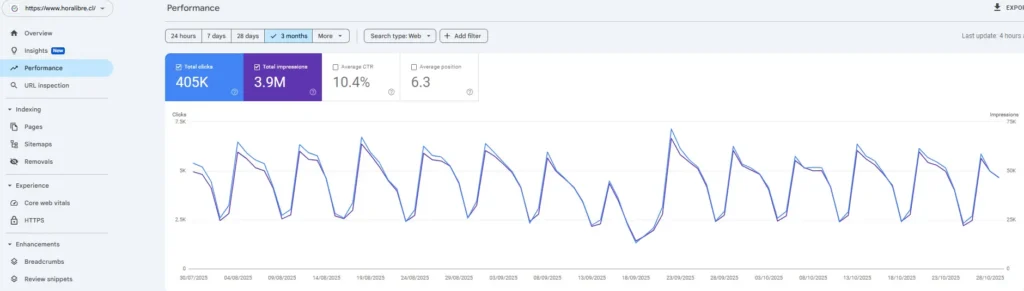
See where your organic traffic comes from. Find which pages work best. Spot technical issues. Use tools like Google Search Console, Google Analytics, and site crawlers.
Map Content to Intent
List your target keywords and identify the intent behind them. Find gaps where the site lacks content that matches what users need.
Fix Technical Issues
Address crawl errors, slow page loads, mobile usability problems, duplicate URLs, and broken links. These foundational improvements can unlock performance that content alone cannot fix.
Create High-Quality Content Consistently
Publish fewer pages with stronger value. Focus on depth, originality, expertise, and a clear purpose for every URL.
Build Internal Links Strategically
Connect related pages to show topical relationships and guide users toward the next relevant resource.
Earn External Links Naturally
Promote your strongest resources to relevant audiences and build relationships with websites that genuinely serve your market.
Monitor Performance Regularly
Track rankings, organic traffic, conversions, and important technical changes so problems can be identified early.
Stay Informed but Not Distracted
Follow meaningful changes in search, but do not rebuild your strategy around every rumor. Durable SEO focuses on users, accessibility, relevance, and authority.
The Future of SEO
The conversation around whether SEO is dead will continue. Every major search change creates another version of the same debate. The reality is that SEO keeps evolving.
More emphasis on quality: Search systems will continue improving their ability to identify useful, original, and trustworthy content.
Greater integration with other channels: SEO will increasingly connect with content marketing, PR, product development, brand, and customer experience.
More automation: AI and automation will handle more routine analysis and monitoring while people remain responsible for strategy, creativity, interpretation, and judgment.
Continued algorithm complexity: Search systems will continue refining how they evaluate pages and websites.
SEO beyond Google: Search optimization will increasingly include AI tools, video platforms, marketplaces, image search, and other discovery environments.
Final Thoughts: SEO is Not Dead, It’s Just Growing Up
The claim that SEO is dead often reflects frustration with change. When old tactics stop working, it is easy to blame the channel instead of adapting the strategy. SEO is alive. It is simply more demanding. Shortcuts are weaker. Sustainable performance requires expertise, quality, technical health, authority, and patience.
If you are questioning whether SEO still works, consider your own search behavior. People still use search engines and other discovery systems to find information, compare products, investigate services, and make decisions.
The opportunity has not disappeared. It has shifted. Companies that adapt can continue building significant value through organic discovery.
Start Growing With The Novalab SEO Agency
If you’re looking for an SEO agency that understands your goals and delivers real outcomes, The Novalab SEO Agency is ready to help. We build strategies designed to grow organic traffic, strengthen brand visibility, and convert visitors into customers.
To request a free SEO audit or consultation, contact our team today.